
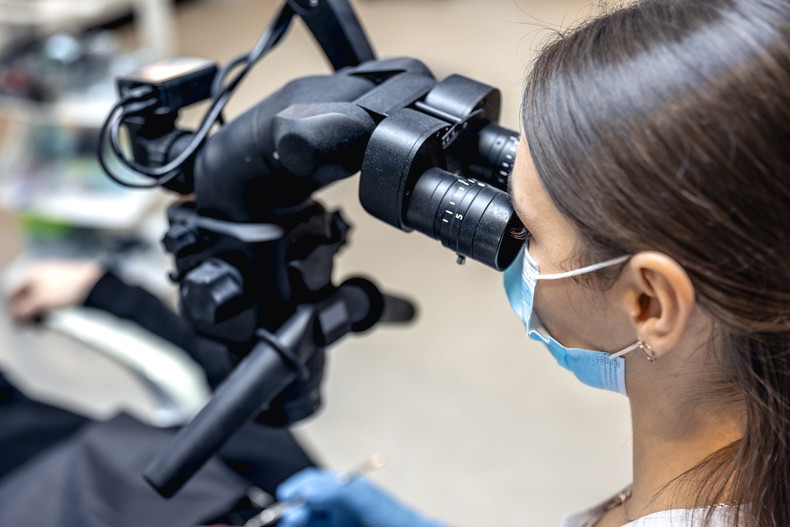
Choosing the right surgical microscope is one of those decisions that quietly shapes the quality of care a practice delivers every single day. It’s not just a piece of equipment sitting in a corner, it becomes part of how procedures are performed, how accurately details are seen, and how confident a surgeon feels in critical moments. With so many options available from different microscope suppliers, it can be difficult to know what truly matters and what’s just marketing noise.
The first feature most professionals look at is optical clarity, and for good reason. A surgical microscope must provide sharp, high-resolution images with true color accuracy. When working in delicate surgical fields, even the smallest detail matters. Poor visualization can lead to fatigue or, worse, compromise outcomes. High-quality optics ensure that what you see is reliable and consistent throughout a procedure.
Magnification range is another key factor that often gets overlooked. It’s not just about having high magnification, but having flexibility. Different procedures require different levels of detail, and a microscope that allows smooth transitions between magnification levels can make a significant difference. This adaptability helps surgeons maintain focus without constantly adjusting their workflow.
Equally important is illumination. A good microscope should offer bright, even lighting without creating glare or shadows. Advanced lighting systems, such as LED illumination, provide consistent brightness and longer lifespan compared to traditional options. Proper lighting enhances visibility and reduces eye strain, especially during lengthy procedures.
Ergonomics plays a bigger role than many expect. Surgeons often spend hours in fixed positions, and a poorly designed microscope can lead to discomfort or long-term strain. Adjustable eyepieces, flexible positioning, and intuitive controls all contribute to a more comfortable working environment. Over time, this can improve both performance and overall well-being.
Another feature to consider is ease of use. Complicated systems can slow down procedures and increase the likelihood of errors. The best microscopes are designed with user-friendly interfaces that allow quick adjustments without disrupting the surgical flow. This is particularly important in busy settings where efficiency is critical.
Stability is something that often goes unnoticed until it becomes a problem. A surgical microscope must remain steady, even during fine adjustments. Any vibration or drift can affect precision, which is unacceptable in delicate procedures. High-quality construction and reliable support systems ensure that the microscope stays exactly where it’s needed.
Modern surgical environments are becoming increasingly digital, which makes integration capabilities a valuable feature. Many microscopes now offer options for video recording, image capture, and connectivity with other systems. This not only helps with documentation but also supports training and collaboration. Being able to review procedures or share them with colleagues adds long-term value to the investment.
Depth of field is another critical aspect that impacts how effectively a surgeon can work. A microscope with a good depth of field allows more of the surgical area to remain in focus at once, reducing the need for constant refocusing. This can make procedures smoother and less mentally taxing, especially when working in complex areas.
Durability and maintenance should also be part of the decision-making process. Surgical microscopes are long-term investments, and reliability is essential. Equipment that requires frequent servicing or breaks down easily can disrupt operations and increase costs over time. Choosing a trusted option from reputable microscope suppliers can provide reassurance in this area.
Finally, consider after-sales support and service. Even the best equipment will need occasional maintenance or updates. Having access to responsive customer support, training resources, and readily available parts can make a significant difference in how smoothly your practice operates. This is often the factor that separates a good purchase from a great one.
In the end, selecting the right surgical microscope isn’t about chasing the most advanced or expensive option. It’s about finding a system that aligns with your specific needs, supports your workflow, and enhances the quality of care you provide. By focusing on these essential features, you can make a more informed decision and feel confident in your investment.
Working with reliable microscope suppliers who understand the demands of modern healthcare can also make the process easier. They can guide you through the options, help you compare features, and ensure that you choose equipment that truly fits your practice. With the right microscope in place, you’re not just upgrading your tools, you’re elevating the standard of care you deliver every day.