
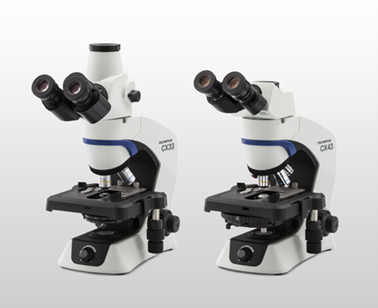
A microscope is one of those tools you tend to trust without question—until it starts letting you down. Whether you work in a laboratory, medical facility, classroom, or research environment, your microscope is central to your daily work. Over time, though, even the most reliable equipment begins to show its age. Knowing when to replace your microscope rather than keep repairing it can save both time and frustration.
So how do you know when it’s time? Here are some signs that are hard to ignore.
Image Quality Isn’t What It Used to Be
If you’ve noticed that images no longer appear as sharp or bright as they once did, that’s often the first warning sign. You may find yourself constantly adjusting focus, lighting, or magnification just to get a usable view. Even after thorough cleaning, things still don’t look right.
This usually points to aging optics or internal alignment issues. In professions where accuracy matters, poor image quality isn’t just inconvenient, it can affect results. When clarity becomes unreliable, it’s worth speaking with reputable microscope suppliers to explore newer options built for precision.
Repairs Are Becoming Routine
Every piece of equipment needs maintenance, but there’s a difference between occasional servicing and constant breakdowns. If your microscope regularly requires repairs or replacement parts, you’re likely spending more money than you realize.
Older microscopes also come with another challenge: parts availability. As models are discontinued, finding compatible components becomes harder and more expensive. At a certain point, replacing the microscope makes far more sense than continuing to patch it together.
Your Technology Feels Outdated
Microscope technology has moved forward quickly. Digital imaging, improved illumination systems, and software integration are now standard in many settings. If your microscope can’t capture images, connect to analysis software, or meet modern workflow requirements, it may be limiting your productivity.
Outdated tools can slow down work and make collaboration more difficult, especially in research or teaching environments. Many microscope suppliers now offer systems that integrate seamlessly with digital platforms, making documentation and sharing far easier.
Results Aren’t Consistent
If you’re seeing variations when examining the same samples under similar conditions, your microscope may no longer be mechanically stable. Worn focus mechanisms, loose stages, or calibration issues can all contribute to inconsistent observations.
Reliable results are the foundation of scientific and medical work. When consistency becomes questionable, replacing your microscope is often the safest and most responsible choice.
Physical Discomfort During Use
Microscopes used to be designed with function in mind, not comfort. Older models can cause neck strain, eye fatigue, and poor posture, especially during long sessions. If you or your team experience regular discomfort, productivity and accuracy may suffer.
Modern microscopes are designed with ergonomics in mind. Adjustable viewing angles, smoother controls, and better lighting make a noticeable difference. Many microscope suppliers emphasize ergonomic features because they directly impact long-term user health.
Your Needs Have Changed
What worked five or ten years ago may not meet today’s demands. Perhaps your work now requires higher magnification, specialized imaging, or more advanced observation techniques. If your current microscope can’t support those needs, it’s simply no longer the right tool.
Replacing your microscope ensures you stay aligned with industry standards and evolving expectations. A knowledgeable supplier can help you select equipment that supports both current and future applications.
Support Is No Longer Available
One final sign is the lack of manufacturer support. If service manuals are outdated, software updates are unavailable, or technical help is limited, keeping your microscope running becomes a challenge.
Working with established microscope suppliers gives you access to training, warranties, and ongoing support, something older equipment often lacks.
Final Thoughts
Holding on to an aging microscope can feel practical, but it often costs more in the long run. When performance drops, repairs increase, and results become unreliable, replacement becomes the smarter option.
Investing in a new microscope isn’t just about upgrading equipment: it’s about improving accuracy, efficiency, and confidence in your work. With guidance from trusted microscope suppliers, you can choose a solution that truly supports what you do every day.
If your microscope feels like it’s working against you instead of with you, it may be time for a change.