
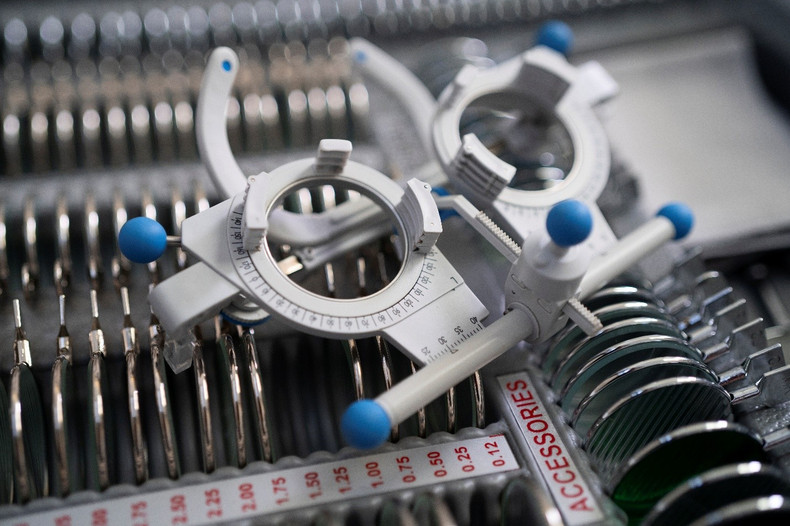
When building or upgrading an optometry practice, choosing the right equipment isn’t just about filling a room with machines. It’s about investing in tools that improve accuracy, efficiency, and patient experience. From diagnostic devices to in-house finishing tools like an optical lens edger, every piece of equipment plays a role in delivering reliable, high-quality eye care.
Core Diagnostic Equipment Every Practice Needs
Quality eye care begins with precise diagnostics. An autorefractor provides a fast starting point for determining a patient’s refractive error. While it doesn’t replace a full refraction, it improves efficiency and helps guide more accurate adjustments during the exam.
A phoropter remains a central tool in refining prescriptions. Combined with a digital acuity chart, it ensures patients leave with lenses tailored to their specific visual needs. A high-quality slit lamp is equally critical. This instrument allows optometrists to examine the cornea, iris, and lens in detail, helping detect conditions such as cataracts, corneal abrasions, and early signs of disease.
Modern practices also rely heavily on retinal imaging. Fundus cameras and OCT systems provide deeper insight into retinal health, allowing for early detection of glaucoma, macular degeneration, and diabetic eye disease. Investing in advanced eye care instruments like these strengthens both diagnostic confidence and long-term patient trust.
Why In-House Finishing Equipment Matters
While diagnostic tools are essential, many practices overlook the importance of finishing equipment. For clinics that offer same-day glasses or faster turnaround times, in-house lab tools can significantly improve workflow and profitability.
This is where the optical lens edger becomes one of the most valuable investments in an optometry office. An optical lens edger precisely shapes lenses to fit selected frames. Accuracy during this step is critical, even minor misalignment can lead to discomfort, visual distortion, or costly remakes.
Modern optical lens edger systems are highly automated. They scan frame shapes, determine bevel placement, and cut lenses with consistent precision. For busy practices, this means fewer errors, reduced dependency on outside labs, and improved control over final product quality. Over time, having a reliable optical lens edger can reduce operational costs and increase patient satisfaction.
Alongside edging equipment, a lensometer is necessary to verify lens power before dispensing. Even when lenses are manufactured externally, verifying prescriptions protects both the patient and the practice. Additional lab tools: such as frame heaters, rimless drills, and polishing units, complete the finishing process and ensure glasses are delivered in perfect condition.
Technology Integration and Workflow Efficiency
Today’s optometry equipment is increasingly digital. Many diagnostic systems integrate directly with electronic health record (EHR) software, allowing seamless transfer of measurements and images. This reduces manual data entry errors and improves documentation efficiency.
Ergonomic design also matters more than many realize. Adjustable exam chairs, organized instrument stands, and intuitive layouts streamline appointments. Efficient workflow not only saves time but enhances the overall patient experience.
When equipment functions smoothly together, exams feel professional and organized rather than rushed. That consistency builds patient loyalty.
Maintenance and Long-Term Investment
Purchasing optometry equipment is only the first step. Regular calibration, servicing, and staff training are equally important. An OCT system must be properly maintained to deliver accurate imaging. An optical lens edger requires routine cleaning and occasional servicing to maintain cutting precision.
Practices should also think strategically about budgeting. Not every clinic needs the most advanced version of every device immediately. Prioritizing essential diagnostic tools first, then expanding into in-house lab capabilities, is often a sustainable growth strategy. Leasing options can also make advanced technology more accessible without heavy upfront capital investment.
Delivering Quality Eye Care Through the Right Tools
At its core, quality eye care combines clinical expertise with dependable equipment. Patients may not notice the technical details behind the scenes, but they absolutely notice the results, accurate prescriptions, comfortable frames, and efficient service.
From foundational diagnostic devices to essential finishing tools like a high-performance optical lens edger, investing in the right equipment sets the standard for professional, patient-focused optometry care. Practices that prioritize precision, efficiency, and long-term reliability position themselves for both clinical excellence and business success.