
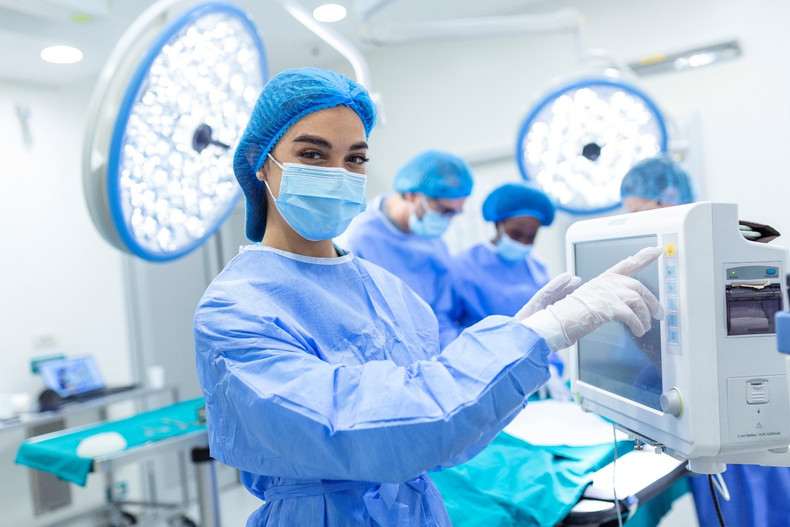
When a hospital, clinic, laboratory, or medical practice needs new equipment, the purchasing process can look simple from the outside. A product is selected, an order is placed, and the equipment eventually arrives. There are many steps between choosing a product and having it ready for use.
Medical equipment distribution involves much more than moving products from one location to another. It includes product selection, purchasing, logistics, documentation, delivery, installation, and ongoing support. Understanding how the process works can help healthcare organizations make better purchasing decisions and avoid unnecessary delays.
Starting With the Right Product
The first stage of the distribution process is identifying what the healthcare facility needs. Medical equipment comes in many different configurations, and the most expensive or technologically advanced option is not necessarily the best fit.
Healthcare providers need to consider how the equipment will be used, who will operate it, available space, expected patient volume, maintenance requirements, and compatibility with existing systems. A knowledgeable medical equipment distributor can help buyers compare available options and identify equipment that makes sense for their environment.
This initial conversation can be just as important as the purchase itself. Choosing the wrong equipment can lead to unnecessary expenses, training challenges, or workflow disruptions later.
Checking Availability and Lead Times
Once a product has been selected, availability becomes an important consideration. Some medical equipment is readily available, while other products may need to be ordered from a manufacturer or shipped internationally.
Lead times can vary depending on inventory levels, manufacturing schedules, shipping routes, and customs requirements. Healthcare facilities should have a clear understanding of expected delivery dates before committing to a purchase, particularly when replacing equipment that is already out of service.
A good distributor should communicate realistic timelines rather than simply providing an estimated date without considering potential delays.
Managing Documentation
Medical equipment often requires detailed documentation throughout the purchasing and distribution process. Product specifications, invoices, warranties, manuals, certificates, and other records may need to accompany an order.
Keeping this information organized makes it easier for healthcare facilities to manage their equipment after delivery. Documentation may also become important when equipment requires servicing, replacement parts, warranty repairs, or future upgrades.
Experienced distributors understand the importance of accurate paperwork and ensure customers receive the information needed to manage their purchases properly.
Handling Shipping and Logistics
Getting medical equipment from a manufacturer to a healthcare facility requires careful planning. Equipment may be transported across cities, countries, or even continents before reaching its destination.
Packaging is particularly important because medical equipment can contain sensitive mechanical, electronic, or optical components. Proper protection during transportation helps reduce the risk of damage caused by handling, vibration, moisture, or other shipping conditions.
The distributor may also coordinate freight arrangements, delivery schedules, customs requirements, and other logistical details. This becomes especially valuable when equipment is being shipped internationally.
Delivery Is Only Part of the Process
Receiving a shipment does not always mean the equipment is ready for use. Larger or more sophisticated systems may require installation, calibration, configuration, or inspection before staff can begin operating them.
Depending on the product, the distributor may coordinate with trained technicians or manufacturer representatives to complete these steps. Proper setup helps ensure the equipment performs as intended and gives staff an opportunity to become familiar with the system.
For healthcare facilities, this can make the transition to new equipment considerably smoother.
Staff Training and Support
New equipment is only useful when staff know how to operate it correctly. Training may be necessary when introducing unfamiliar technology or replacing an older system with a newer model.
A medical equipment distributor that provides training or can coordinate technical instruction adds significant value to the purchasing process. Staff can learn proper operating procedures, routine care, and basic troubleshooting before the equipment becomes part of their daily workflow.
Ongoing support is equally important. Questions may arise weeks or months after installation, making access to knowledgeable assistance a valuable part of the relationship.
Maintenance and Replacement Parts
The distribution relationship does not necessarily end once the equipment has been delivered. Medical equipment requires ongoing maintenance, and certain components may eventually need replacement.
Understanding the availability of spare parts and service support before making a purchase can prevent problems later. Equipment that is difficult to maintain or repair may become a much more expensive investment over its lifetime.
A distributor with established access to parts and technical support can help keep equipment operating reliably.
Why the Distributor Matters
The distributor plays an important role in connecting healthcare providers with manufacturers and products that meet their needs. A reliable distributor helps simplify the process by coordinating multiple stages of the purchase and providing communication between the customer and manufacturer.
For healthcare facilities, this can save time and reduce the complexity associated with sourcing equipment independently.
Final Thoughts
Medical equipment distribution is a complete process rather than a simple delivery service. From identifying the right product to managing logistics, installation, training, and long-term support, every stage can affect the value and usefulness of the final purchase.
Healthcare organizations that take the time to evaluate both the equipment and the distributor behind it are better positioned to make informed decisions. A dependable medical equipment distributor can become a valuable long-term partner, helping healthcare facilities obtain the right equipment and keep it operating effectively long after the initial delivery.