
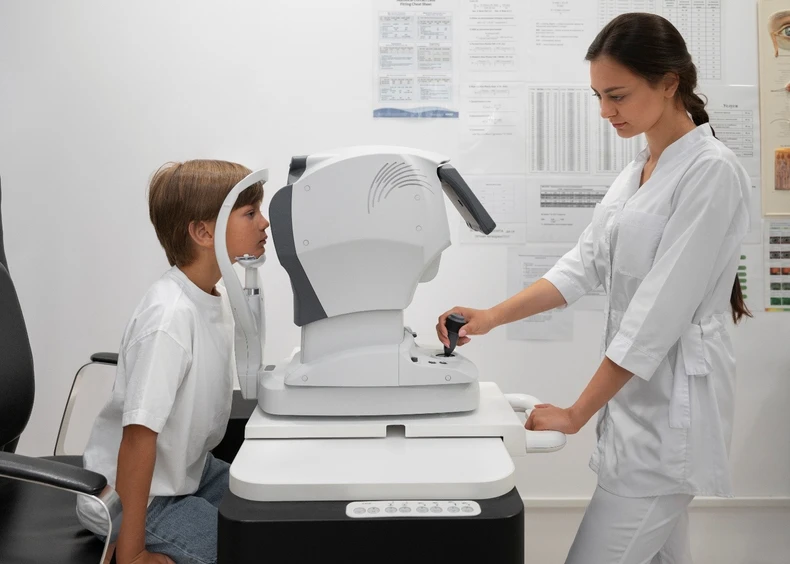
Walk into a modern hospital and it is easy to focus on the doctors, nurses, and other healthcare professionals providing care. Behind all of them, however, is an enormous network of equipment, technology, supplies, and support services that allows the facility to operate every day.
From patient monitoring systems and diagnostic equipment to surgical technology and everyday clinical essentials, hospitals depend on reliable equipment to keep their operations moving. This is where hospital equipment suppliers play an important role. Their job goes far beyond delivering boxes to a loading dock. The right supplier can become an important partner in helping healthcare facilities maintain efficiency, reliability, and quality of care.
Helping Hospitals Access the Right Equipment
Hospitals have different requirements depending on their size, specialties, patient population, and available services. A large medical center may need sophisticated diagnostic and surgical systems, while a smaller facility may place greater emphasis on essential patient care equipment.
Experienced suppliers help hospitals identify equipment that fits their specific needs. Instead of simply presenting a list of products, a knowledgeable supplier can help buyers compare options based on functionality, budget, space, workflow, and long-term use.
This can be especially valuable when hospitals are expanding services or replacing older equipment.
Supporting Patient Care
Reliable equipment directly supports the healthcare professionals who care for patients. Monitoring systems, examination equipment, diagnostic devices, and surgical instruments all have specific roles within the clinical environment.
When equipment performs consistently, healthcare professionals can spend less time dealing with technical problems and more time focusing on patients. Equipment availability also helps hospitals maintain smoother workflows, particularly in busy departments where delays can affect multiple patients.
For this reason, choosing dependable equipment is not simply a purchasing decision. It can have a direct impact on daily patient care.
Installation and Setup
Purchasing equipment is only the beginning. Many types of hospital equipment require proper installation, configuration, testing, and staff training before they can be placed into regular use.
Suppliers that provide installation support help hospitals avoid unnecessary delays. They can ensure equipment is set up correctly and that staff understand how the system is intended to operate.
Proper installation is particularly important for more complex equipment. A system that has not been configured correctly may not perform as expected, even when the equipment itself is high quality.
Training Healthcare Staff
Technology is becoming increasingly sophisticated, and new equipment can sometimes introduce unfamiliar processes into a clinical environment. Staff training helps ensure healthcare professionals are comfortable using new systems.
Good suppliers may provide demonstrations, operating guidance, training materials, or hands-on instruction. This support can make the transition to new equipment much easier.
Training also helps reduce avoidable mistakes caused by unfamiliarity and allows organizations to get more value from their investment.
Maintenance and Technical Support
Even well-built equipment requires maintenance. Components wear down, software may need updates, and unexpected problems can occur.
Having access to technical support can make a major difference when equipment needs attention. A supplier that can provide servicing, replacement parts, troubleshooting, or maintenance guidance helps minimize downtime.
For hospitals, downtime can be more than an inconvenience. If an important piece of equipment is unavailable, staff may have to change workflows, postpone procedures, or find alternative solutions. Fast and dependable support therefore becomes an important part of the supplier relationship.
Managing Equipment Over Its Lifetime
Healthcare facilities must think about more than the initial purchase price. Equipment represents a long-term investment, and its overall cost includes maintenance, replacement parts, upgrades, training, and eventual replacement.
Reliable hospital equipment suppliers can help facilities evaluate total ownership costs when comparing different products. A less expensive machine may not necessarily be the better financial choice if it requires frequent repairs or becomes difficult to support.
Looking at the entire lifecycle of a product often leads to better purchasing decisions.
Helping Hospitals Keep Up With Technology
Healthcare technology continues to change. New diagnostic methods, digital systems, automation, and connected equipment are influencing how hospitals operate.
Suppliers can help healthcare organizations stay informed about newer technologies and determine whether an upgrade makes sense for their facility. Not every new product is necessary, but understanding what is available allows hospital administrators and clinical teams to make informed decisions.
The best suppliers act as knowledgeable resources rather than simply sales representatives.
Building Reliable Supply Relationships
Hospitals need consistency. Equipment, parts, and essential supplies must be available when they are needed, and communication needs to be straightforward.
Developing a strong relationship with a dependable supplier can make purchasing and equipment management easier over time. Familiarity with a hospital's needs can also allow suppliers to provide more relevant recommendations and respond more efficiently when problems arise.
A strong supplier relationship becomes particularly valuable during expansions, renovations, equipment replacements, or unexpected service issues.
Final Thoughts
Modern healthcare depends on much more than medical expertise. Reliable equipment and the support behind that equipment are essential parts of a functioning healthcare system.
Hospital equipment suppliers help facilities select appropriate technology, install new systems, train staff, maintain equipment, and address technical problems when they arise. Their role can ultimately influence efficiency, operating costs, and the ability of healthcare professionals to provide dependable patient care.
For hospitals making significant equipment investments, the supplier should be viewed as more than a company providing a product. The right partner can provide knowledge, support, and reliability throughout the entire life of the equipment.
In an industry where every minute can matter, having dependable equipment and dependable support behind it can make a meaningful difference.