
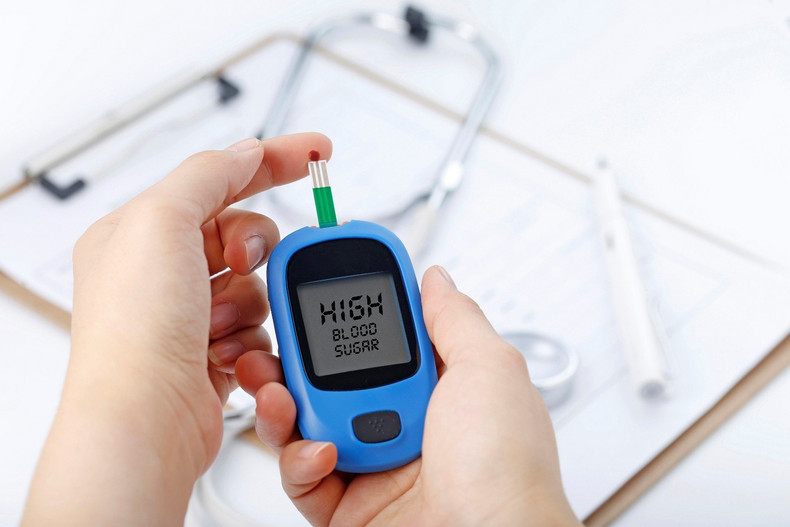
Managing diabetes has become far more convenient than it was even a few years ago. In 2026, blood sugar monitoring devices are smarter, faster, and more accurate than ever. But with so many products on the market, choosing the right device for daily use can still feel overwhelming. What works perfectly for one person may not fit another person’s lifestyle, budget, or medical needs.
Whether someone is newly diagnosed or simply looking to upgrade their current setup, understanding what actually matters in a blood sugar monitoring device can make everyday diabetes management easier and less stressful.
One of the first things to consider is how often blood sugar levels need to be checked throughout the day. People who test occasionally may be comfortable using a traditional finger-stick glucose meter. These devices are reliable, affordable, and easy to carry. They usually provide quick readings within seconds and are widely available through pharmacies and medical supply companies.
However, for individuals who check their glucose multiple times daily, a continuous glucose monitor (CGM) may be a better option. CGMs use a small sensor attached to the body to monitor glucose levels around the clock. Instead of repeated finger pricks, users can track trends in real time through a smartphone or receiver. Many people prefer CGMs because they provide alerts for high or low blood sugar levels before symptoms become severe.
Comfort and convenience matter more than most people realize. A device may have excellent reviews, but if it feels difficult to use every day, chances are it will eventually become frustrating. Some users prioritize smaller meters that fit easily into a pocket or purse, while others prefer devices with larger screens and simpler displays. For older adults or anyone with vision difficulties, readability becomes especially important.
Another factor worth paying attention to is connectivity. Modern monitoring devices now integrate with mobile apps, smartwatches, and health tracking systems. This allows users to store readings automatically, share information with doctors, and better understand patterns over time. For busy individuals juggling work, travel, and family responsibilities, these digital features can save time and improve consistency with diabetes management.
Accuracy should always remain a top priority. Blood sugar readings directly impact decisions about insulin, meals, and physical activity. Even small inaccuracies can create problems over time. Reputable devices that meet FDA standards and have a strong track record among healthcare professionals are generally the safest choice. Reading product reviews can help, but it is equally important to speak with a healthcare provider before making a final decision.
Cost is another major consideration in 2026. Some devices may seem affordable initially, but the long-term cost of testing strips, sensors, lancets, and subscriptions can add up quickly. Insurance coverage varies depending on the device and provider, so checking coverage details beforehand can prevent unexpected expenses later.
Many people today also prefer the convenience of being able to order diabetic supplies online instead of making repeated trips to a local pharmacy. Online ordering has become one of the easiest ways to keep supplies stocked consistently without interruptions. It also allows users to compare pricing, access automatic refill options, and receive supplies directly at home. For individuals managing chronic conditions, that convenience can make daily routines much simpler.
Battery life and durability are often overlooked until they become a problem. A monitoring device that constantly needs charging or breaks easily during travel can quickly become a source of stress. People with active lifestyles may benefit from water-resistant or more rugged designs that hold up during workouts, outdoor activities, or long workdays.
Customer support also deserves attention. Technology occasionally fails, sensors can malfunction, and questions inevitably come up. Companies with responsive support teams and clear replacement policies often create a much better overall experience for users. Reliable customer service can make a significant difference, especially for someone new to diabetes management.
It is also important to think long term. Diabetes management is not just about today’s readings. The right device should support healthier habits over months and years. Devices that help users identify trends, improve consistency, and reduce anxiety around glucose monitoring often provide the most value in the long run.
In many cases, people switch devices multiple times before finding the one that truly fits their lifestyle. That is completely normal. Technology continues evolving rapidly, and new options appear every year with improved features and better usability.
The best blood sugar monitoring device is ultimately the one that encourages consistent use and supports better daily decision-making. Some people value advanced technology and detailed tracking, while others simply want a reliable device that is easy to use without complications.
As diabetes care continues advancing in 2026, users now have more choices than ever before. Taking the time to evaluate comfort, accuracy, convenience, and long-term affordability can help ensure the device chosen becomes a helpful tool rather than another daily frustration. Consistency is what matters most, and the right monitoring system can make living with diabetes feel far more manageable every single day.