
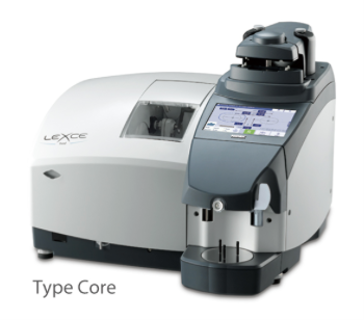
A lens edger machine is one of the hardest-working pieces of equipment in any optical lab. Day after day, it shapes lenses to fit frames with precision, helping ensure patients receive eyewear that is comfortable, functional, and visually accurate. Because the machine plays such a critical role in the finishing process, even small changes in its performance can affect the quality of the final product.
Like any precision equipment, a lens edger machine performs best when it is maintained consistently. While many optical practices focus on repairs only after a problem develops, routine maintenance is far more effective at preventing downtime and preserving accuracy. A few simple habits can significantly extend the life of the machine while helping maintain consistent edging results for years to come.
One of the most important maintenance tasks is keeping the machine clean. During the edging process, tiny particles of lens material accumulate inside the unit. Over time, this debris can build up around moving parts, sensors, and water circulation components. If left unattended, the buildup may interfere with normal operation and reduce overall performance.
Cleaning the machine at the end of each workday helps prevent residue from becoming difficult to remove. Wiping down accessible surfaces, removing loose debris, and following the manufacturer's recommended cleaning procedures keeps the equipment operating more efficiently. Using approved cleaning materials is equally important, as harsh chemicals can damage sensitive components or protective finishes.
The water system also deserves regular attention. Most lens edging machines rely on water to cool the grinding wheels and reduce friction during operation. If water flow becomes restricted or contaminated, excessive heat can develop, increasing wear on both the machine and the cutting tools.
Operators should routinely check water levels, inspect filters, and replace coolant according to maintenance recommendations. Keeping the water system clean not only protects internal components but also contributes to smoother lens finishing and more consistent results.
Grinding wheels naturally wear down over time, making periodic inspection essential. A worn wheel may produce rough edges, inconsistent bevels, or longer processing times. Rather than waiting for noticeable problems to appear, operators should monitor wheel condition regularly and replace worn components before they begin affecting production quality.
Using the correct wheel for each lens material also helps reduce unnecessary wear. Modern optical labs often process a wide variety of lens materials, each with different hardness characteristics. Matching the appropriate wheel to the job improves both cutting performance and equipment longevity.
Calibration is another critical aspect of maintaining long-term accuracy. Even high-quality machines can experience slight variations after thousands of edging cycles. Routine calibration ensures measurements remain precise and helps maintain the consistency required for today's eyewear standards.
Many newer systems include built-in calibration tools that simplify this process, but operators should still verify accuracy according to the manufacturer's maintenance schedule. Small adjustments performed regularly are often easier than correcting larger issues that develop over time.
Proper handling also has a direct impact on machine lifespan. Rushing through setup, forcing components into place, or using excessive pressure can gradually damage delicate mechanisms. Taking a few extra moments to load lenses correctly and follow recommended operating procedures helps minimize unnecessary strain on the equipment.
Environmental conditions inside the lab can influence performance as well. Dust, humidity, and temperature fluctuations may affect sensitive electronics and mechanical parts. Keeping the workspace clean and maintaining stable environmental conditions helps protect the machine while supporting reliable operation throughout the year.
Software updates are another maintenance step that is sometimes overlooked. Many modern lens edger machines include digital controls and operating software that manufacturers periodically update. These updates may improve accuracy, enhance compatibility with new lens designs, or address minor performance issues.
Installing recommended software updates helps ensure the machine continues operating as efficiently as possible while taking advantage of improvements introduced by the manufacturer.
Preventive inspections should become part of every optical lab's routine. Rather than waiting for equipment failure, technicians should periodically inspect belts, hoses, electrical connections, moving parts, and safety features. Identifying minor wear before it develops into a larger problem often reduces repair costs and prevents unexpected downtime.
Staff training is equally important. Even the most advanced equipment performs only as well as the people operating it. New employees should receive proper instruction on machine operation, daily cleaning, maintenance procedures, and troubleshooting basics. Ongoing training also helps experienced staff stay current with updated features and best practices.
Keeping a maintenance log can make a significant difference over the long term. Recording cleaning schedules, calibration dates, software updates, repairs, and part replacements provides valuable information that can help identify recurring issues before they become major problems. It also ensures maintenance tasks are performed consistently rather than relying on memory alone.
Finally, professional servicing should not be overlooked. While daily maintenance can be handled in-house, periodic inspections by qualified service technicians provide an additional level of protection. Experienced technicians can identify early signs of wear, verify calibration, and perform adjustments that help keep the machine operating at peak performance.
A lens edger machine represents a significant investment for any optical practice. Protecting that investment requires more than simply using the equipment correctly—it requires consistent care and attention. Regular cleaning, proper calibration, routine inspections, and ongoing staff training all contribute to better accuracy, longer equipment life, and more dependable performance.
When maintenance becomes part of the daily routine instead of an occasional task, optical practices can continue producing high-quality eyewear efficiently while minimizing costly repairs and unexpected interruptions. In the long run, a well-maintained lens edger machine not only supports better operational efficiency but also helps deliver the level of precision that patients expect every time they receive a new pair of glasses.