
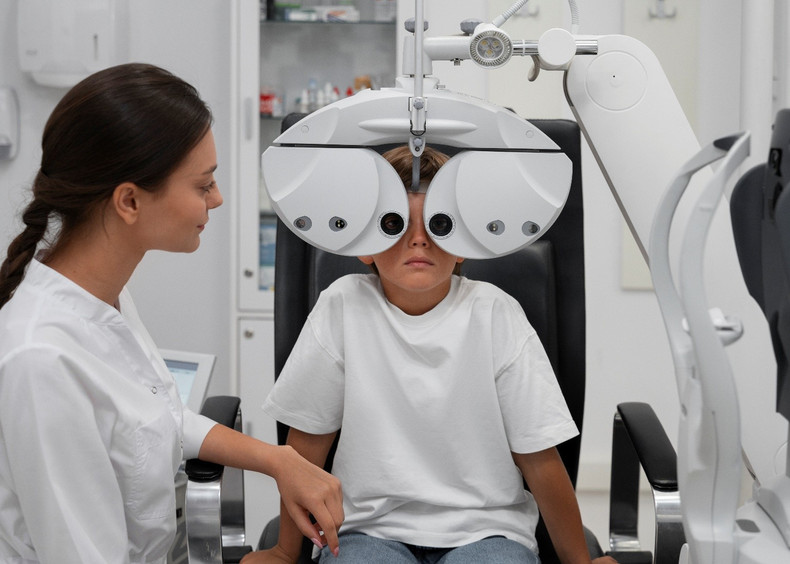
Opening an optometry clinic in 2026 requires more than simply finding office space and purchasing equipment. The eye care industry has become increasingly competitive, and patients now expect a higher level of convenience, technology, and overall experience when choosing a provider. A successful clinic today combines strong medical care with efficient operations, modern technology, and thoughtful patient service.
The first step in building a successful optometry clinic is understanding the local market. Every area has different demographics, patient needs, and competition levels. Some communities may have a strong demand for pediatric eye care, while others may need more specialized services such as dry eye treatment, diabetic eye exams, or contact lens management. Researching the area carefully before opening can help identify opportunities that are currently underserved.
Location remains one of the biggest factors influencing long-term success. A clinic situated near shopping centers, residential neighborhoods, or medical offices often benefits from stronger visibility and easier accessibility. Parking availability, foot traffic, and nearby businesses can all impact patient flow significantly. Even the most skilled optometrist may struggle if patients find the location inconvenient.
Technology now plays a central role in modern eye care practices. Patients increasingly expect clinics to use advanced diagnostic equipment that allows for quicker and more accurate exams. Investing in updated imaging systems, retinal cameras, and digital refraction tools can improve both efficiency and patient confidence. In 2026, clinics that appear outdated technologically may have difficulty competing with newer practices.
Many clinic owners also expand services beyond routine eye exams. Offering specialty treatments, eyewear sales, contact lens fittings, or co-management with surgeons can create additional revenue streams and strengthen patient retention. Some practices even collaborate closely with providers specializing in ophthalmic surgery equipment to support pre-operative and post-operative patient care. Building these professional relationships can help broaden the clinic’s reputation within the local healthcare community.
Hiring the right staff is equally important. Patients often judge their experience based on how they are treated by receptionists, technicians, and assistants long before they meet the doctor. Friendly communication, professionalism, and organization help create trust from the moment a patient walks through the door. A well-trained team also improves efficiency, allowing the clinic to manage appointments smoothly without long wait times.
Creating a comfortable patient experience has become increasingly valuable in recent years. Patients appreciate clinics that feel welcoming, modern, and organized. Clean waiting areas, efficient scheduling systems, online appointment booking, and clear communication all contribute to patient satisfaction. Small details often influence whether someone returns or recommends the clinic to friends and family.
Marketing strategies have also evolved dramatically. In 2026, a strong online presence is no longer optional for healthcare businesses. Patients frequently search online before choosing an eye doctor, making professional websites, positive reviews, and active social media pages extremely important. Educational content, community involvement, and consistent branding can help build credibility over time.
Search engine visibility can make a major difference as well. When local patients search for eye exams, glasses, or specialty services, clinics that appear prominently online typically receive more inquiries. This is why many successful practices invest in digital marketing strategies alongside traditional referral networks.
Financial planning deserves careful attention before opening the clinic. Startup costs for an optometry office can be substantial, especially when purchasing advanced equipment, leasehold improvements, software systems, and inventory. Creating realistic projections for expenses, patient growth, and operating costs helps reduce financial pressure during the first few years of business.
Insurance credentialing and billing systems should also be established early. Delays in insurance approvals or inefficient billing processes can create serious cash flow problems for new clinics. Working with experienced consultants or administrators can help prevent costly operational mistakes.
Another important area is adaptability. The healthcare industry changes constantly, and successful clinics are often the ones willing to evolve with patient expectations and technological advancements. Clinics that remain flexible with scheduling, communication methods, and treatment offerings tend to build stronger long-term patient loyalty.
Networking within the medical community can also help generate referrals and professional support. Relationships with primary care physicians, endocrinologists, pediatricians, and ophthalmologists can strengthen a clinic’s reputation while creating additional patient opportunities.
Opening an optometry clinic in 2026 offers strong potential for growth, but success rarely happens overnight. Building trust, developing efficient systems, and creating a positive patient experience all require consistency and patience. Clinics that focus only on equipment or appearance without prioritizing patient relationships often struggle to maintain long-term growth.
Ultimately, successful optometry clinics combine excellent patient care with smart business planning. By investing in technology, building a dependable team, and focusing on patient experience, new clinic owners can position themselves for long-term success in a rapidly evolving healthcare industry.