
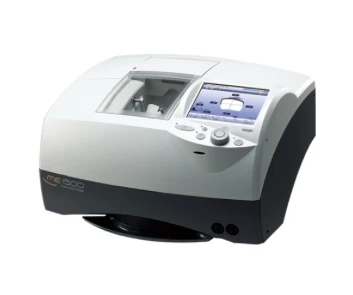
Optical laboratories rely on precision, speed, and consistency every day. The quality of a finished pair of glasses depends heavily on the accuracy of the equipment used during the lens finishing process. Among the most important investments for any modern optical practice is a high-performance lens edging machine.
Choosing the right equipment is not simply about purchasing the newest model with the most features. A good lens edging machine should improve workflow, reduce errors, support different lens materials, and provide reliable performance over years of daily use. Understanding the most important features can help optical businesses make a smarter investment.
Precision and Accuracy
The primary purpose of a lens edging machine is to create lenses that fit frames perfectly. Accuracy is one of the most important factors to consider when evaluating different machines. Even small measurement errors can affect lens alignment, comfort, and the overall quality of the finished eyewear.
High-performance machines use advanced measurement systems and precise cutting technology to ensure lenses are edged according to exact specifications. Features such as automatic calibration, accurate tracing systems, and digital measurements help reduce human error and improve consistency across every job.
For optical professionals, precision is not just a convenience. It directly affects patient satisfaction and the reputation of the practice.
Compatibility with Different Lens Materials
Modern eyewear uses a wide variety of lens materials, including high-index lenses, polycarbonate, Trivex, and specialty coatings. A quality lens edging machine should be capable of handling different materials without compromising performance.
Machines designed with advanced grinding technology can adjust to different lens types while maintaining smooth edges and accurate finishes. This flexibility allows optical labs to serve a wider range of customers without needing separate equipment for every application.
Investing in a versatile system also helps future-proof the business as lens technology continues to evolve.
Automated Features for Improved Efficiency
Time is a valuable resource in any optical laboratory. Manual adjustments and repeated measurements can slow production and increase the chance of mistakes. Automation has become one of the biggest advantages of modern edging equipment.
Many high-performance systems now include automated lens measurement, automatic blocking, intelligent processing settings, and simplified operating controls. These features allow technicians to complete jobs faster while maintaining consistent quality.
Automation does not replace skilled professionals; instead, it allows them to focus on quality control and customer service rather than repetitive tasks.
User-Friendly Operation
Advanced technology is only beneficial when employees can use it effectively. A complicated machine with a steep learning curve can reduce productivity and create unnecessary frustration.
A well-designed lens edging machine should have an intuitive interface, clear controls, and easy-to-understand operating steps. Touchscreen displays, guided workflows, and customizable settings help technicians complete jobs efficiently, even when processing complex lens designs.
Equipment that is easy to operate also reduces training time when introducing new team members.
Strong Durability and Reliability
Optical equipment often operates for many hours each day, making durability an important consideration. A machine that frequently requires repairs can disrupt workflow and increase operating costs.
High-quality construction, dependable internal components, and strong manufacturer support contribute to long-term reliability. Before purchasing, optical businesses should consider not only the initial cost but also the expected lifespan and service requirements of the equipment.
A reliable machine becomes a long-term asset rather than an ongoing expense.
Advanced Safety Features
Safety features are another important consideration when selecting edging equipment. Modern machines often include protective systems designed to reduce risks during operation.
Features such as automatic shutoff functions, enclosed processing areas, and monitoring systems help protect both operators and equipment. These safeguards create a safer working environment while supporting consistent production.
Software Integration and Connectivity
Technology continues to influence the optical industry, and connectivity has become increasingly valuable. Many modern edging systems can integrate with optical management software, lens databases, and digital ordering platforms.
This integration reduces manual data entry, improves communication between departments, and helps streamline the entire workflow from prescription entry to finished eyewear.
For growing optical businesses, connected equipment can improve efficiency and support future expansion.
Ease of Maintenance
Regular maintenance is essential for keeping any optical machine performing at its best. A high-quality system should be designed with easy maintenance access and clear service requirements.
Machines that simplify cleaning, calibration, and routine inspections help reduce downtime and extend equipment life. Access to replacement parts and reliable technical support should also be considered before making a purchase.
Conclusion
Selecting the right lens edging machine requires careful consideration of performance, reliability, and long-term value. The best equipment combines precision technology with practical features that support everyday optical operations.
Features such as accurate measurement systems, material versatility, automation, durability, and software connectivity can significantly improve productivity and finished lens quality. While every optical business has different needs, investing in a high-performance machine can provide lasting benefits through improved efficiency, fewer errors, and greater customer satisfaction.
A well-chosen lens edging machine is more than a piece of equipment, it is an important tool that helps optical professionals deliver the quality and precision patients expect.