
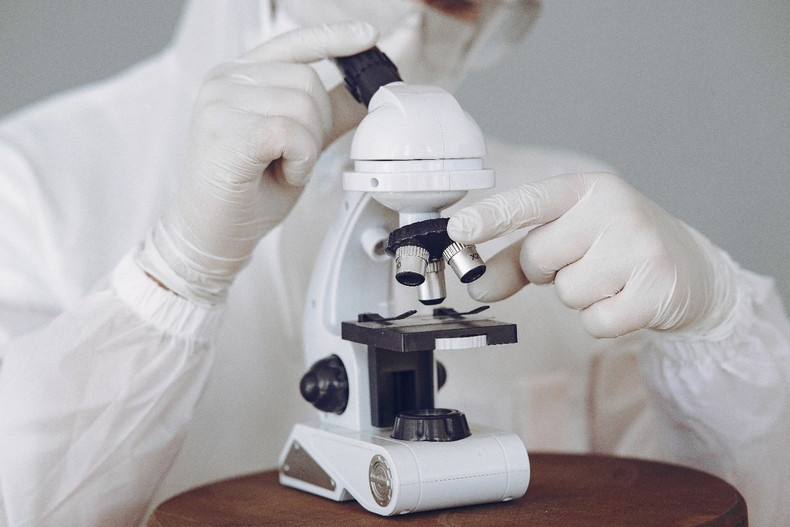
Microscopy has always played an important role in healthcare, scientific discovery, and laboratory research. The ability to view samples at a microscopic level allows professionals to better understand diseases, analyze biological structures, and make important decisions based on accurate observations. As technology continues to advance, digital microscopy has transformed how professionals capture, analyze, and share information.
Among the many options available today, the Olympus digital microscope has become a trusted choice for healthcare and research professionals who require reliable imaging, advanced functionality, and consistent performance. These systems are designed to support professionals who depend on clear visualization and precise analysis in their daily work.
Exceptional Image Quality
One of the main reasons professionals rely on digital microscopy is the ability to capture detailed, high-quality images. In healthcare and research environments, small differences in samples can provide important information. Clear imaging allows users to observe structures with greater confidence and make more accurate evaluations.
Olympus digital microscope systems are recognized for producing detailed images that help professionals examine samples more effectively. Advanced optical technology combined with digital imaging capabilities allows users to view fine details that may be difficult to identify using traditional methods.
For laboratories and medical facilities, image quality is not simply about appearance. It directly influences the accuracy of observations and the quality of research outcomes.
Improved Workflow and Efficiency
Modern laboratories often handle large amounts of information and require efficient processes. Traditional microscopy can involve manually recording observations, capturing images separately, and sharing findings through slower methods.
Digital microscopy helps simplify these workflows by allowing users to capture, store, organize, and share images electronically. This reduces unnecessary steps and allows professionals to focus more time on analysis rather than documentation.
In busy healthcare environments, improved efficiency can make a significant difference. Faster access to clear images and organized data helps teams work more effectively while maintaining high standards.
Supporting Medical Diagnostics
Accurate diagnosis depends on reliable tools. Healthcare professionals use microscopy to examine various samples, identify abnormalities, and support clinical decisions. Digital imaging technology provides additional capabilities that help improve the diagnostic process.
With enhanced visualization and image capture features, professionals can review findings in greater detail and collaborate with colleagues when needed. Digital systems also make it easier to maintain records and compare images over time.
This ability to document and analyze information supports better communication between healthcare teams and contributes to more informed decision-making.
Advancing Scientific Research
Research professionals require equipment that can adapt to complex investigations. Whether studying biological processes, cellular structures, or material characteristics, researchers need microscopes that provide accuracy and flexibility.
Digital microscopy has expanded research possibilities by allowing scientists to capture detailed images, perform analysis, and share findings with teams around the world. These capabilities support collaboration and help accelerate discoveries across different fields.
From medical research to educational laboratories, advanced imaging technology continues to play an important role in expanding scientific knowledge.
Easy Image Sharing and Collaboration
One major advantage of digital microscopy is the ability to share images quickly and efficiently. In the past, professionals often needed to physically transport slides or rely on direct viewing through an eyepiece.
Digital systems allow images to be transferred electronically, making remote collaboration much easier. Specialists can review findings, provide feedback, and participate in discussions without needing to be in the same location.
This capability is especially valuable for healthcare organizations, universities, and research facilities where teamwork and expert consultation are essential.
User-Friendly Technology
Advanced equipment should improve productivity, not create unnecessary complexity. Professionals need systems that provide powerful features while remaining practical and easy to operate.
Modern digital microscopes are designed with user-friendly interfaces that help both experienced professionals and new users work efficiently. Features such as digital controls, automated functions, and customizable settings allow users to adapt the system to their specific applications.
A balance between advanced technology and simplicity is one reason digital microscopy continues to grow in popularity.
Reliability and Long-Term Value
Healthcare and research facilities often make significant investments in laboratory equipment. Reliability is therefore an important factor when selecting technology.
Professionals need equipment that can perform consistently over time while maintaining accuracy and quality. Dependable systems reduce interruptions, improve productivity, and provide better value throughout their lifespan.
Choosing equipment from an established manufacturer also provides confidence in product support, service availability, and continued technological development.
The Future of Digital Microscopy
As healthcare and research continue becoming more technology-driven, digital microscopy will remain an essential tool. Improvements in imaging, automation, and data management are creating new opportunities for professionals across many industries.
The demand for clearer visualization, faster analysis, and improved collaboration continues to increase. Digital microscopy systems are helping meet these needs by providing solutions that combine precision with convenience.
Conclusion
The trust placed in the Olympus digital microscope comes from its ability to support professionals who require accuracy, efficiency, and dependable performance. In healthcare settings, these systems help improve visualization and documentation. In research environments, they support exploration, collaboration, and discovery.
As technology continues to evolve, digital microscopy will remain a valuable part of modern diagnostics and scientific advancement. For professionals who depend on reliable imaging every day, choosing the right microscope is an important decision that can influence both workflow and results.